Recipes with plant-based protein sources

Recipes with plant-based protein sources Plant-based protein sources Proteins are essential nutrients consisting of amino acids. They play a crucial role in structural and mechanical functions of our body. Proteins are continuously repaired to support the growth of cells and tissues. Our sources of protein in the diet are divided into two groups: animal and plant proteins. In this article, we will focus on plant sources of protein. Plant-based protein sources Buckwheat, peas, Brussels sprouts, asparagus, chia seeds, spinach, quinoa, tempeh, chickpeas, borlotti beans, soy, tofu, pumpkin seeds and lentils are among the foods that contain plant-based protein. Recipes with plant-based protein sources Bulgur with lentils (8-10 portions) Ingredients: 2.5 cups bulgur Half a cup of green lentils 1 tablespoon of paprika pulp 1 onion (diced) 1 tablespoon of butter Half a teacup of oil Salt, pepper, paprika flakes, cumin (to taste) Preparation: Boil the green lentils with plenty of water and strain. Put the butter and oil in a pan and fry the diced onion. Add the paprika pulp and fry until fragrant. Add the bulgur and cooked lentils and mix well. Add water until it is about two fingers' breadth above the ingredients. Add salt and spices. Cook the bulgur over a low heat until the water has been absorbed. Leave to rest briefly and serve. Green salad with chickpeas (6-7 portions) Ingredients: 1.5 cups cooked chickpeas (peeled if desired) 150 g cooked buckwheat 150 g raw spinach (roughly chopped) 1 red bell pepper (cut into small cubes) 3-4 spring onions (finely chopped) Half a bunch of parsley (finely chopped) Half a bunch of dill (finely chopped) For the dressing: Juice of half or a whole lemon 3 tablespoons olive oil Salt, sumac, cumin (to taste) Preparation: Place all the vegetables and the cooked buckwheat in a bowl. Add the chickpeas and mix well. Mix the dressing ingredients in a separate bowl and pour over the salad. Mix thoroughly and serve. Pea dish (7-9 portions) Ingredients: 300 g peas 1 onion (diced) 1 tbsp oil 2 tbsp tomato paste 2 carrots (sliced) 1 potato (cut into small cubes) Salt, oregano, red bell pepper flakes (to taste) Preparation: Pour the oil into a pan and fry the onion until golden brown. Add the tomato purée and continue to fry. Add the carrots, potatoes and peas and mix well. Add water until the ingredients are covered. Add salt and spices. Cook over a low heat until the vegetables are soft. Serve hot. With these recipes, you can incorporate plant-based protein sources into your meals and take a step towards a healthy lifestyle!
The effects of beet on our health
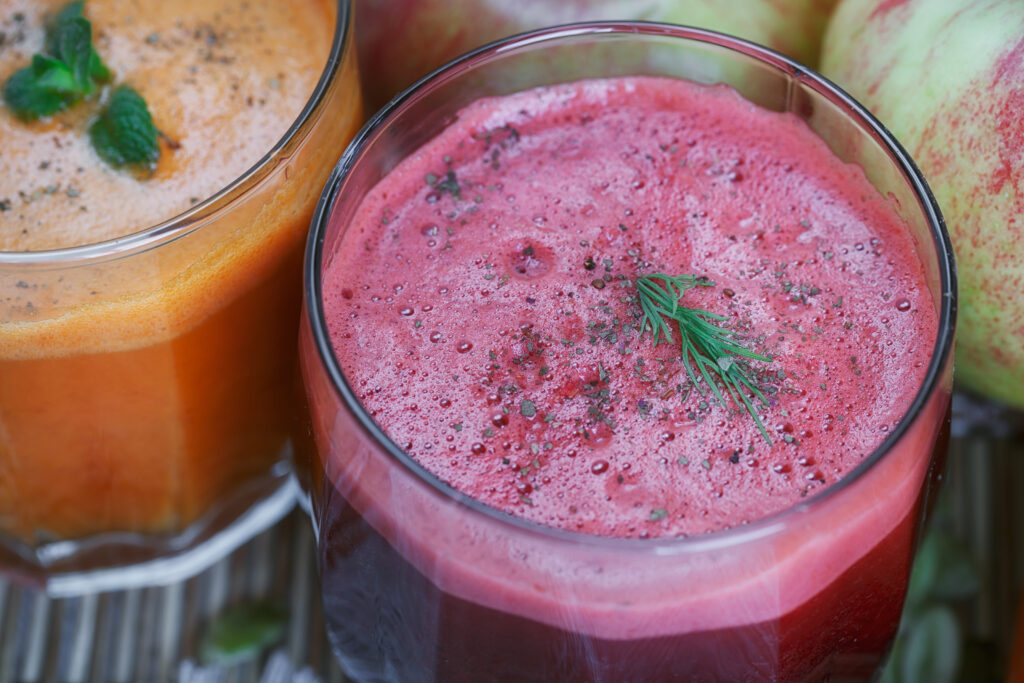
The effects of beet on our health Beetroot (Beta vulgaris) is a root vegetable from the chard and spinach family. The bright color of beet comes from betalains, a powerful antioxidant that has a protective effect against cancer. It also contains high amounts of folic acid and manganese, which promote our health. What are the benefits of beet? 1. effect on blood pressure Beetroot contains nitrate, which dilates blood vessels, increases blood flow and lowers blood pressure. This helps to reduce the risk of stroke and promotes heart health. 2. effect on endurance during sport Beetroot increases blood flow and oxygen supply in the body, which improves physical endurance and performance. 3. effect on dementia The nitrate contained in beet can increase blood flow to the brain in older people and thus slow down cognitive decline. It therefore has a protective effect against dementia. 4. anti-cancer effect Betalains, which are responsible for the bright color of beet, can have a preventive effect against certain cancer cells. 5 Helps with a healthy diet Beetroot is a low-calorie vegetable, but a valuable source of healthy nutrition as it is rich in vitamins and minerals. Practical recipes to incorporate beet into your diet 1.Yogurt and beet salad (Serves 4-5) Ingredients: -3 small beets -½ bunch parsley (chopped) -½ bunch dill (chopped) -6 tablespoons curd -1 teaspoon salt -1 clove garlic (crushed) -1 teacup walnuts and hazelnuts mixture -1 cup cooked chickpeas -4-5 tablespoons olive oil Preparation: 1.Boil and grate the beets. 2. chop the parsley and dill. 3. put the curd in a bowl and add salt, crushed garlic and olive oil. Mix well. 4. add the cooked chickpeas and the grated beet and mix well. 5. sprinkle the walnut and hazelnut mixture on top and serve cold. 2. beet smoothie Ingredients: -1 cup of milk (of your choice) -1 small banana -1 small beet (grated) -1 level teaspoon of chia seeds Preparation: 1.Place all ingredients in a blender. 2 Blend until the smoothie has a smooth consistency. 3. serve with ice cubes if desired. Note: Beetroot should be consumed in moderation, especially by people who are sensitive to nitrates. If necessary, it is advisable to consult a health professional.