The protective effect of a healthy diet against disease
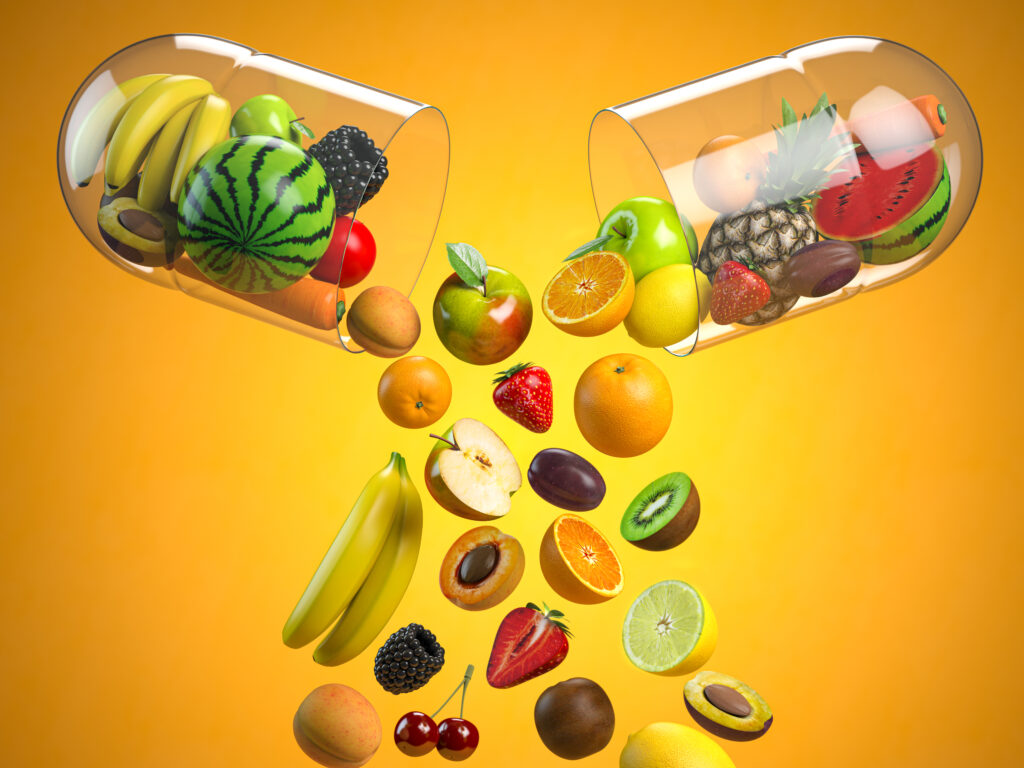
The protective effect of a healthy diet against diseases A balanced and conscious diet protects us from many diseases and supports a healthier life. Our eating habits directly influence our immune system and strengthen our defense mechanisms against diseases. It is important to consume all the required nutrient groups in a balanced way. Likewise, sufficient sleep, regular exercise and stress management are the cornerstones of a healthy life. Let's take a detailed look at the most important points for a healthy life: 1. balanced diet A diet that includes all nutrient groups strengthens the immune system and regulates energy levels. Proteins, carbohydrates and fats should be consumed in the right proportions. 2. vegetables and fruit in rainbow colors Vegetables and fruit in different colors are rich in vitamins, minerals and antioxidants. Eating fruit and vegetables in all colors protects the body from free radicals and strengthens the body's defenses against disease. 3. protein sources Proteins play an important role in the repair of muscles and tissues. Animal sources (fish, chicken, eggs) and plant sources of protein (lentils, chickpeas, peas) are important for dietary diversity. 4. healthy fats Healthy fat sources such as olive oil, avocado, walnuts and almonds support heart health and reduce inflammation in the body. 5. high quality complex carbohydrates Whole grains, oats and bulgur contribute to energy levels and provide a long-lasting feeling of satiety. 6. water intake Drinking enough water speeds up the metabolism, facilitates the elimination of toxins and contributes to healthy skin. 7. reduce processed foods Processed foods that are high in salt, sugar and saturated fats can weaken the immune system. It is important to favor natural and nutrient-rich foods. 8. antioxidant-rich diet Antioxidants reduce cell damage caused by free radicals. Foods such as green tea, blueberries and peppers are rich in antioxidants. 9. omega-3 fatty acids Foods such as salmon, flaxseed and walnuts, which are rich in omega-3 fatty acids, protect cardiovascular health and reduce inflammation. 10. regular physical activity and sleep To support a healthy diet, exercise regularly and get enough sleep. This will contribute to both your physical and mental health. Remember that a healthy lifestyle supports your physical and mental health in the long term and improves your quality of life. Making conscious changes to your diet is the biggest investment you can make in your future. Keywords: Health, 1TP5BalancedNutrition, 1TP5ImmuneStrengthening, 1TP5Antioxidants, 1TP5Omega3, 1TP5HealthyLifestyle, 1TP5NutritionTips, 1TP5FruitAndVegetables, 1TP5WaterIntake, 1TP5ExerciseAndSleep.
Balanced and adequate nutrition
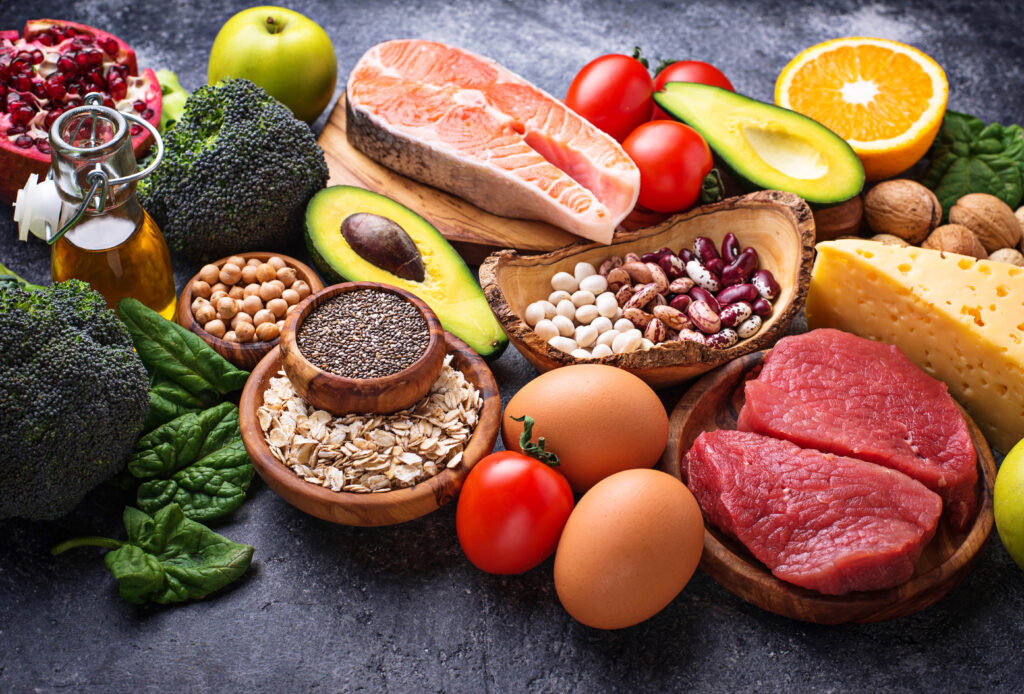
A balanced and adequate diet A balanced and adequate diet is one of the cornerstones of a healthy life. The human body needs various essential nutrients in order to grow and develop healthily. These include healthy fats, proteins, carbohydrates, vitamins and minerals. Adequate and balanced intake of these nutrients strengthens the immune system, boosts energy and provides numerous other benefits. It is also very important for maintaining physical and mental performance. Negative effects of malnutrition A person who is malnourished is more susceptible to infections. Due to a weakened immune system, these individuals are less able to defend themselves against disease. In addition, malnutrition negatively affects bodily functions. Working capacity, concentration and planning skills decrease. Forgetfulness, mental sluggishness and a general slowing down of mental activities can occur. In addition, malnutrition increases the risk of growth disorders in children and the likelihood of chronic diseases in adults. In addition to the physical effects, malnutrition can also affect mental health. Low energy levels can lead to depression and anxiety disorders. This has a negative impact on the quality of life and social relationships of those affected. What can we do to eat a balanced and adequate diet? The following five food groups should be considered to ensure a balanced and adequate diet: Milk and dairy products: Foods such as milk, yogurt and cheese are rich in calcium, protein and vitamin D and support bone health. Meat, eggs and legumes: This group, which includes meat, fish, poultry, eggs, chickpeas and lentils, is rich in protein, iron and B vitamins, which are essential for muscle building and energy production. Vegetables and fruits: This group, rich in vitamins, minerals and fiber, strengthens the immune system and supports digestive health. Cereals: Wholemeal products such as wholemeal bread, oats and bulgur provide energy and ensure a long-lasting feeling of satiety. Water and salt: Water is essential for all metabolic processes in the body. Salt should be consumed in appropriate amounts, as an excess can cause health problems. Individual needs and professional support Nutrition is an individual process. Each person has different needs depending on age, gender, lifestyle, physical activity and state of health. It is therefore helpful to consult a nutritionist to create a nutrition plan tailored to your needs. With this support, you can both adopt a healthier lifestyle and achieve your long-term goals. A balanced and sufficient diet is the key to our health. By adopting this habit, we can provide both ourselves and those around us with a healthier and higher quality life. Keywords: #balanced #food groups #support #water #salt #grains #vegetables #fruit #meat #eggs #Pulses #Milk #Dairy products #Fats #Proteins #Carbohydrates #Vitamins #Minerals #Nutrition #Dernutrition
Recipes with plant-based protein sources

Recipes with plant-based protein sources Plant-based protein sources Proteins are essential nutrients consisting of amino acids. They play a crucial role in structural and mechanical functions of our body. Proteins are continuously repaired to support the growth of cells and tissues. Our sources of protein in the diet are divided into two groups: animal and plant proteins. In this article, we will focus on plant sources of protein. Plant-based protein sources Buckwheat, peas, Brussels sprouts, asparagus, chia seeds, spinach, quinoa, tempeh, chickpeas, borlotti beans, soy, tofu, pumpkin seeds and lentils are among the foods that contain plant-based protein. Recipes with plant-based protein sources Bulgur with lentils (8-10 portions) Ingredients: 2.5 cups bulgur Half a cup of green lentils 1 tablespoon of paprika pulp 1 onion (diced) 1 tablespoon of butter Half a teacup of oil Salt, pepper, paprika flakes, cumin (to taste) Preparation: Boil the green lentils with plenty of water and strain. Put the butter and oil in a pan and fry the diced onion. Add the paprika pulp and fry until fragrant. Add the bulgur and cooked lentils and mix well. Add water until it is about two fingers' breadth above the ingredients. Add salt and spices. Cook the bulgur over a low heat until the water has been absorbed. Leave to rest briefly and serve. Green salad with chickpeas (6-7 portions) Ingredients: 1.5 cups cooked chickpeas (peeled if desired) 150 g cooked buckwheat 150 g raw spinach (roughly chopped) 1 red bell pepper (cut into small cubes) 3-4 spring onions (finely chopped) Half a bunch of parsley (finely chopped) Half a bunch of dill (finely chopped) For the dressing: Juice of half or a whole lemon 3 tablespoons olive oil Salt, sumac, cumin (to taste) Preparation: Place all the vegetables and the cooked buckwheat in a bowl. Add the chickpeas and mix well. Mix the dressing ingredients in a separate bowl and pour over the salad. Mix thoroughly and serve. Pea dish (7-9 portions) Ingredients: 300 g peas 1 onion (diced) 1 tbsp oil 2 tbsp tomato paste 2 carrots (sliced) 1 potato (cut into small cubes) Salt, oregano, red bell pepper flakes (to taste) Preparation: Pour the oil into a pan and fry the onion until golden brown. Add the tomato purée and continue to fry. Add the carrots, potatoes and peas and mix well. Add water until the ingredients are covered. Add salt and spices. Cook over a low heat until the vegetables are soft. Serve hot. With these recipes, you can incorporate plant-based protein sources into your meals and take a step towards a healthy lifestyle!
The effects of beet on our health
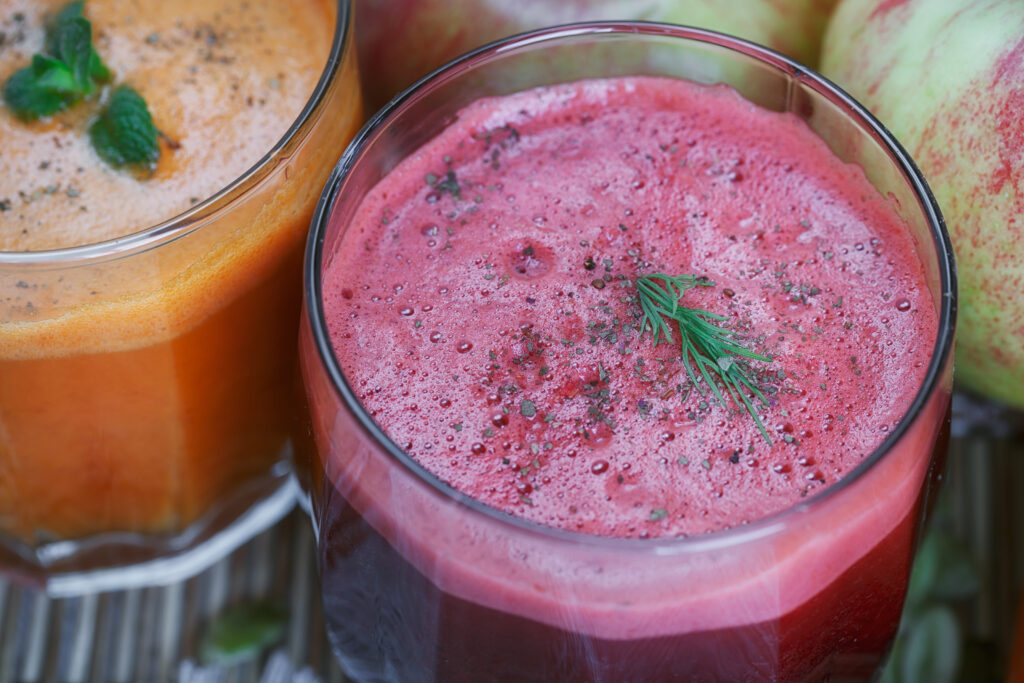
The effects of beet on our health Beetroot (Beta vulgaris) is a root vegetable from the chard and spinach family. The bright color of beet comes from betalains, a powerful antioxidant that has a protective effect against cancer. It also contains high amounts of folic acid and manganese, which promote our health. What are the benefits of beet? 1. effect on blood pressure Beetroot contains nitrate, which dilates blood vessels, increases blood flow and lowers blood pressure. This helps to reduce the risk of stroke and promotes heart health. 2. effect on endurance during sport Beetroot increases blood flow and oxygen supply in the body, which improves physical endurance and performance. 3. effect on dementia The nitrate contained in beet can increase blood flow to the brain in older people and thus slow down cognitive decline. It therefore has a protective effect against dementia. 4. anti-cancer effect Betalains, which are responsible for the bright color of beet, can have a preventive effect against certain cancer cells. 5 Helps with a healthy diet Beetroot is a low-calorie vegetable, but a valuable source of healthy nutrition as it is rich in vitamins and minerals. Practical recipes to incorporate beet into your diet 1.Yogurt and beet salad (Serves 4-5) Ingredients: -3 small beets -½ bunch parsley (chopped) -½ bunch dill (chopped) -6 tablespoons curd -1 teaspoon salt -1 clove garlic (crushed) -1 teacup walnuts and hazelnuts mixture -1 cup cooked chickpeas -4-5 tablespoons olive oil Preparation: 1.Boil and grate the beets. 2. chop the parsley and dill. 3. put the curd in a bowl and add salt, crushed garlic and olive oil. Mix well. 4. add the cooked chickpeas and the grated beet and mix well. 5. sprinkle the walnut and hazelnut mixture on top and serve cold. 2. beet smoothie Ingredients: -1 cup of milk (of your choice) -1 small banana -1 small beet (grated) -1 level teaspoon of chia seeds Preparation: 1.Place all ingredients in a blender. 2 Blend until the smoothie has a smooth consistency. 3. serve with ice cubes if desired. Note: Beetroot should be consumed in moderation, especially by people who are sensitive to nitrates. If necessary, it is advisable to consult a health professional.