Pflanzenbasierte Ernährung leicht gemacht: Ihr Weg zu nachhaltiger Gesundheit und Wohlbefinden in den Metropolen Deutschlands
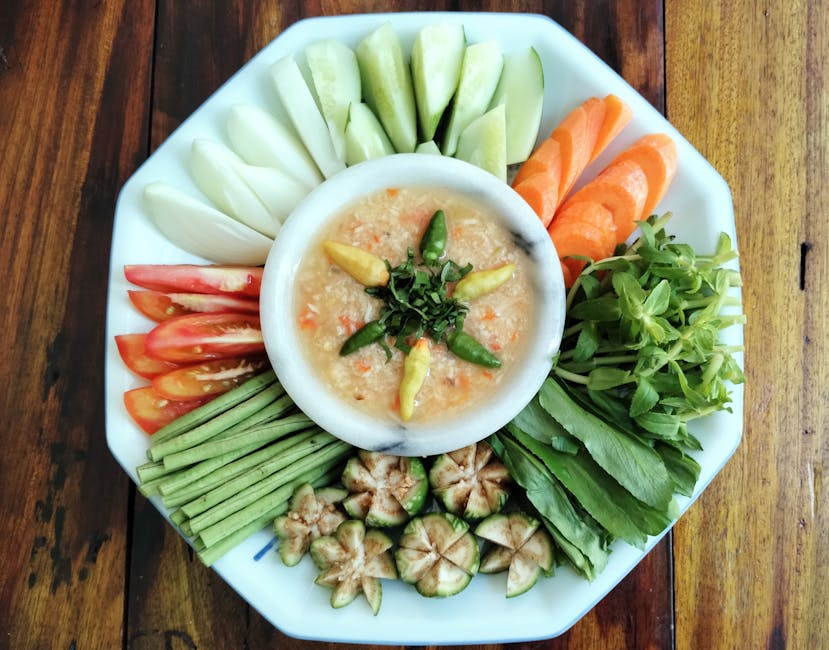
In den pulsierenden Metropolen Deutschlands, von München über Frankfurt am Main bis nach Hamburg und Düsseldorf, wächst das Bewusstsein für einen gesunden und nachhaltigen Lebensstil stetig. Immer mehr Menschen suchen nach Wegen, ihre Ernährung zu optimieren, Gewicht zu managen und ihre Vitalität langfristig zu steigern. Eine pflanzenbasierte Ernährung bietet hierfür eine wissenschaftlich fundierte und zugleich genussvolle Lösung, die nicht nur Ihrem Körper, sondern auch dem Planeten zugutekommt. Dieser umfassende Leitfaden zeigt Ihnen, wie Sie den Umstieg einfach und erfolgreich gestalten können.
Mittelmeer-Diät: Der Schlüssel zu langfristiger Gesundheit und einem vitalen Leben in Deutschland
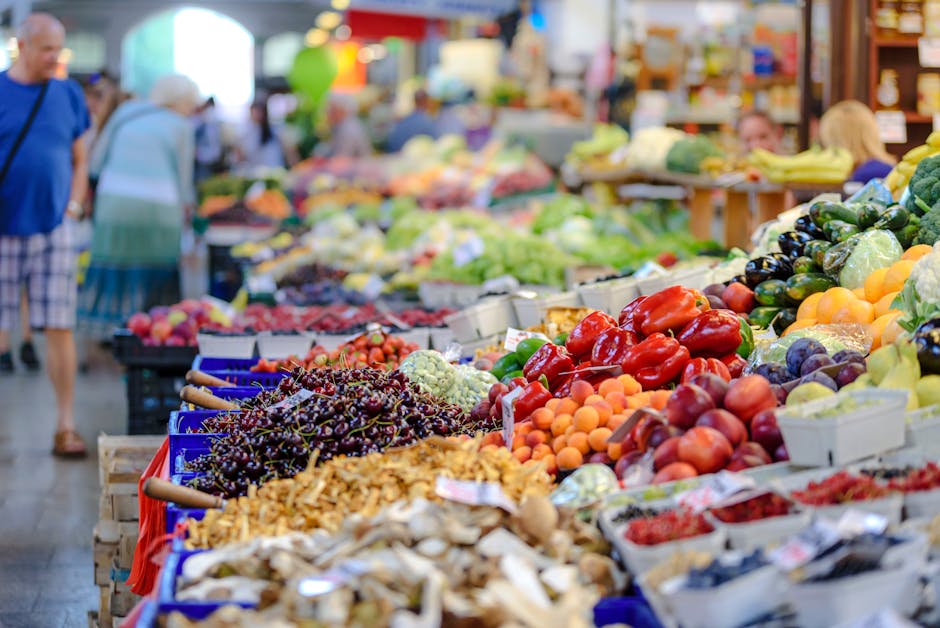
In einer Zeit, in der Gesundheit und Wohlbefinden immer mehr in den Fokus rücken, suchen viele Menschen in deutschen Metropolen wie München, Frankfurt am Main oder Hamburg nach nachhaltigen Wegen, ihre Lebensqualität zu verbessern. Die Mittelmeer-Diät, oft als die gesündeste Ernährungsweise der Welt bezeichnet, bietet genau das: einen wissenschaftlich fundierten Ansatz für ein langes, gesundes und erfülltes Leben. Sie ist mehr als nur ein Ernährungsplan; sie ist ein ganzheitlicher Lebensstil, der auf den traditionellen Essgewohnheiten der Mittelmeerregion basiert und sich ideal an den anspruchsvollen Alltag in Städten wie Stuttgart, Düsseldorf oder Berlin anpassen lässt.
Heißhunger stoppen: Effektive Strategien gegen Fressattacken für nachhaltige Gesundheit und Wohlbefinden

Der Kampf gegen Heißhungerattacken ist für viele Menschen eine ständige Herausforderung, die nicht nur das Gewichtsmanagement erschwert, sondern auch das allgemeine Wohlbefinden beeinträchtigt. Besonders in den pulsierenden Metropolen Deutschlands wie München, Hamburg, Berlin oder Frankfurt am Main, wo der Alltag oft von Hektik und Stress geprägt ist, scheinen Fressattacken ein weit verbreitetes Phänomen zu sein. Dieser umfassende Leitfaden beleuchtet die Ursachen von Heißhunger und präsentiert evidenzbasierte Strategien, die Ihnen helfen, diese Gelüste zu kontrollieren und einen nachhaltig gesunden Lebensstil zu etablieren.
Pflanzenbasierte Ernährung einfach gemacht: Ihr Weg zu nachhaltiger Gesundheit und Wohlbefinden
Die Entscheidung für eine pflanzenbasierte Ernährung gewinnt in Deutschland, insbesondere in unseren dynamischen Metropolen wie München, Hamburg und Frankfurt am Main, zunehmend an Bedeutung. Viele Menschen suchen nach Wegen, ihre Gesundheit zu verbessern, ihr Gewicht zu managen und gleichzeitig einen positiven Beitrag für die Umwelt zu leisten. Doch oft erscheinen die Umstellung und die Aufrechterhaltung einer solchen Ernährungsweise komplex und herausfordernd. Dieser umfassende Leitfaden zeigt Ihnen, wie einfach und bereichernd pflanzenbasierte Ernährung sein kann, und ebnet Ihnen den Weg zu einem vitaleren und nachhaltigeren Lebensstil.
Your personal nutrition plan: The key to sustainable health and well-being in Germany's major cities

In a world flooded with countless diet trends and contradictory nutritional recommendations, more and more people are longing for clarity and an approach that really suits them. Especially in the dynamic and demanding environments of cities like Munich, Hamburg, Frankfurt am Main or Stuttgart, where professional success and an active lifestyle go hand in hand, a tailor-made nutrition plan is not just a wish, but a necessity for long-term health and performance.
Plant-based nutrition: your path to better health and well-being in major German cities

In Germany's vibrant cities, from Munich and Hamburg to Stuttgart and Düsseldorf, awareness of a healthy and sustainable lifestyle is growing. A plant-based diet offers a promising approach here, not only to increase your own well-being, but also to make a positive contribution to the environment and animal welfare. But how can you make the transition easily and enjoyably without sacrificing taste or nutrients? This comprehensive guide shows you how you can effortlessly integrate a plant-based diet into your everyday life.
Water - the underestimated hero of our health

Although water is vital for us, many people neglect to drink enough in their everyday lives. Yet water is involved in almost all metabolic processes in the body: It helps with temperature regulation, the removal of toxins, nutrient absorption and blood circulation. Our body consists of around 60 % of water - this alone shows how essential it is to drink regularly and sufficiently. Even a slight lack of water can have a negative impact: headaches, tiredness, concentration problems, dry skin and a weakened immune system are just some of the possible consequences. It becomes particularly critical in old age, with children, during sport or at high temperatures, as the need for water is then even higher. Adults should drink at least 2 to 2.5 liters of water per day - even more depending on their activity level and the outside temperature. Water is the best choice, followed by unsweetened herbal teas. Sugary drinks, soft drinks and excessive caffeine consumption, on the other hand, can disrupt rather than support the water balance. A practical tip: always having a reusable drinking bottle to hand reminds you to drink regularly. Flavoring water with natural ingredients such as lemon, cucumber, ginger or mint also makes it tastier and more interesting - without any added sugar. Drinking regularly is one of the simplest but most effective health habits. It improves concentration, aids digestion, helps you lose weight and promotes a radiant complexion. #DrinkingWater #HydrationIsHealth #MoreWaterInEverydayLife #NaturallyFit #DrinkingDon'tForget
Fats are not the enemy: the importance of healthy fats for our body
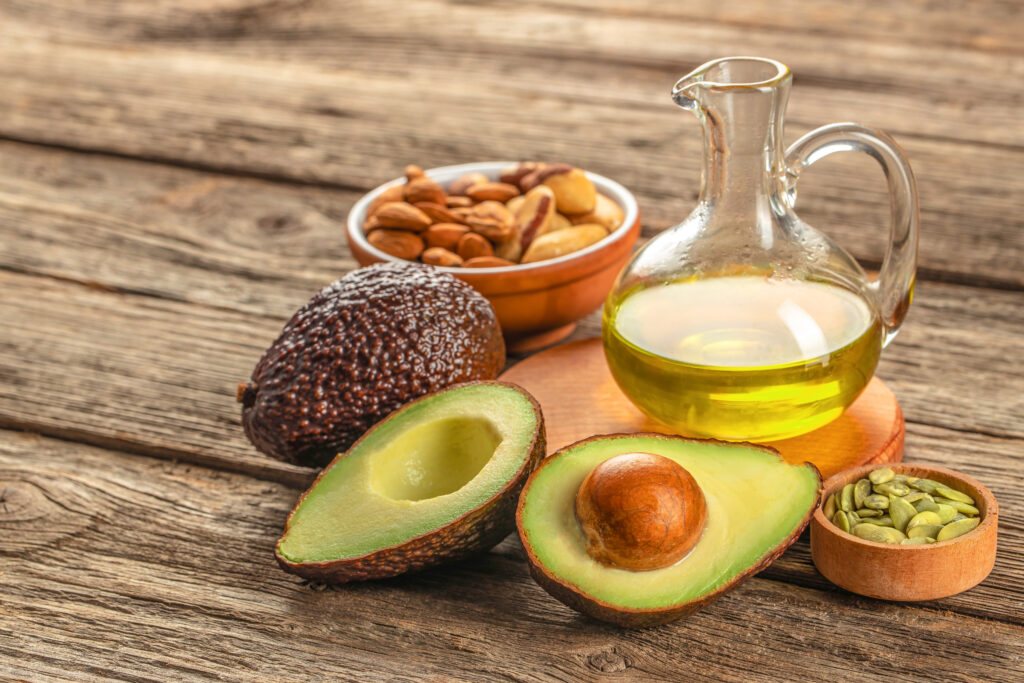
In the modern diet, fats are often wrongly labeled as "fattening" or "unhealthy". But not all fats are the same. Quite the opposite: healthy fats perform numerous vital tasks in the body. They serve as a source of energy, are building blocks of our cell membranes, support hormone production, protect our organs and are essential for the absorption of fat-soluble vitamins such as A, D, E and K. Unsaturated fatty acids in particular, such as those found in vegetable oils (e.g. olive oil, rapeseed oil), avocados, nuts and fatty fish (e.g. salmon, mackerel), are considered "good fats". They help to keep cholesterol levels in balance, prevent cardiovascular disease and have an anti-inflammatory effect. Omega-3 fatty acids, which the body cannot produce itself and therefore has to obtain from food, are particularly valuable. On the other hand, there are trans fats and excessive amounts of saturated fatty acids, which are mainly found in convenience products, fried foods, margarine and fast food. These fats are actually harmful as they promote inflammation, increase LDL cholesterol levels and can increase the risk of arteriosclerosis, heart attacks and strokes. Consciously integrating healthy fats into everyday life can be quite simple: a tablespoon of olive oil on your salad, a spoonful of linseed in your muesli or a piece of salmon for dinner. The important thing is moderation and quality - then fats can even help to regulate cravings and support the metabolism. #HealthyFats #Omega3Power #FatIsImportant #HHeartHealthy #GoodFatGoodMood