Nutrition tips for healthy digestion
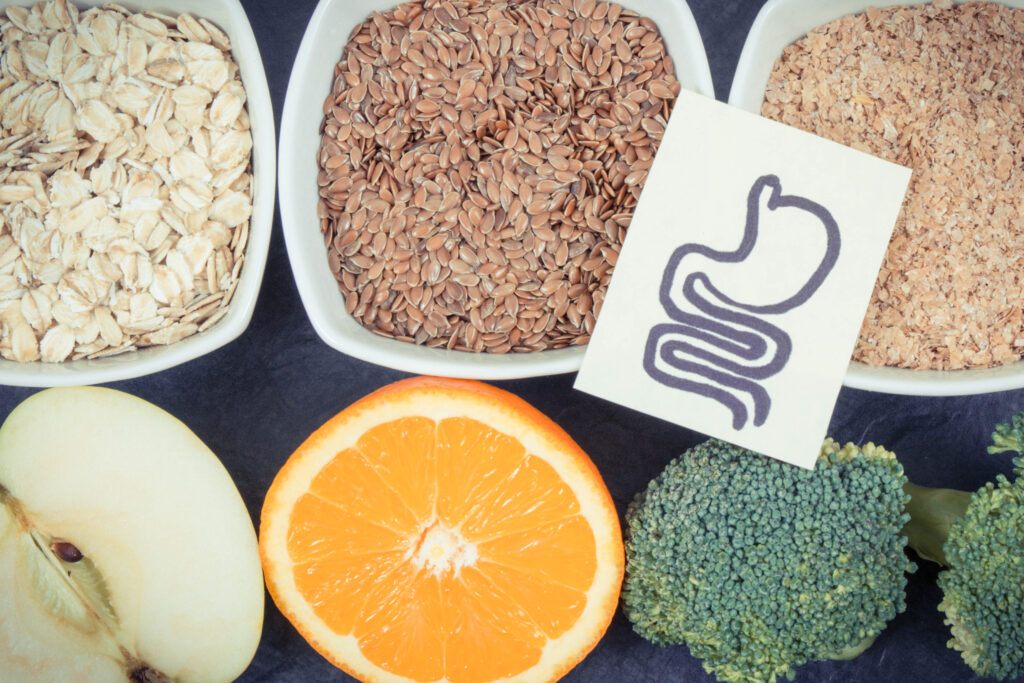
Nutrition tips for healthy digestion The digestive system is a vital system that breaks down food into nutrients and enables the absorption of vitamins, minerals and other essential components. Healthy digestion is not limited to the breakdown of food, but also includes the optimal utilization of nutrients in the body. The digestive process begins in the mouth and continues through the esophagus, stomach, small intestine, large intestine and anus. To ensure optimal functioning of the body, maintaining digestive health is of great importance. Ways to promote a healthy digestive system 1.A balanced and nutritious diet Make sure you eat a varied and balanced diet. Give preference to natural, fresh and nutrient-rich foods rather than processed products. 2. consume fiber-rich foods Fiber supports regular digestion and promotes bowel movements. Whole grain products, vegetables, fruit, legumes and nuts are good sources of fiber. Both soluble and insoluble fiber contribute to intestinal health. 3.regular exercise Physical activity helps to regulate bowel movements and aid digestion. Regular exercise can prevent digestive problems such as constipation. 4.Incorporate probiotic foods into your diet Probiotics help maintain the balance of healthy gut bacteria. Foods such as yogurt, kefir, fermented vegetables (sauerkraut, kimchi) and kombucha are rich in probiotics and can improve gut health. 5.do not neglect prebiotic foods Prebiotics serve as food for the beneficial intestinal bacteria. Garlic, onions, leeks, bananas, asparagus, whole grain products and Jerusalem artichokes are rich in prebiotics and support digestion. 6 Drink enough water Water facilitates the transportation of food through the digestive tract and prevents constipation. Sufficient daily fluid intake promotes healthy digestion. 7. stress management Stress can have a negative impact on digestion and lead to stomach problems. Relaxation techniques such as meditation, yoga or breathing exercises can help to reduce stress and support digestion. Maintaining a healthy digestive system contributes to overall health and helps the body to utilize nutrients optimally. A well-functioning digestive system has a positive effect on energy levels and the immune system. Through conscious daily habits, you can strengthen your digestion in the long term and improve your health. . . . . . . . . . . . #HealthyNutrition #DigestiveHealth #IntestinalHealth #Fiber #Probiotics #PPrebiotics #WaterDrinking #HealthyHabits #Metabolism #IntestinalFlora #HealthyLiving #NutritionCounseling
Fermented foods and their benefits
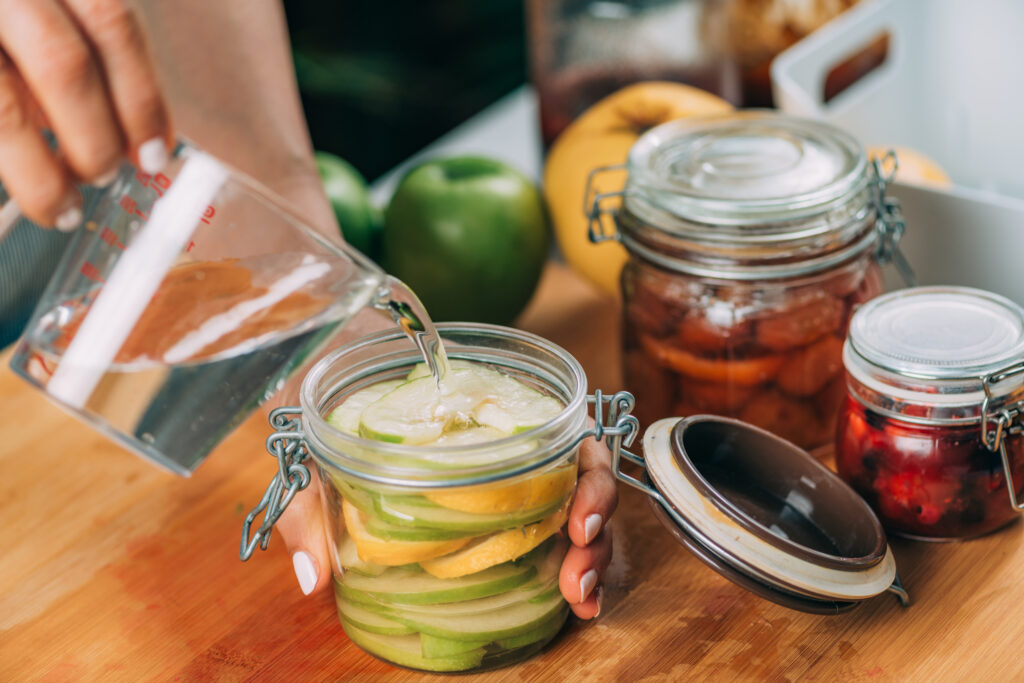
Fermented foods and their benefits Fermented foods are the result of a traditional method that has been used for centuries to preserve food and improve its nutritional value. The fermentation process is carried out by microorganisms that break down carbohydrates and produce acids, gases or alcohol in the process. This biochemical transformation improves the taste, digestibility and nutritional content of food, while also extending its shelf life. What are fermented foods? Fermented foods have been consumed in various cultures around the world for centuries. Some popular fermented foods are: - Yogurt: Made by lactic acid bacteria that ferment milk, providing probiotic bacteria that benefit digestion. - Kefir: A fermented milk drink produced by kefir cultures that contains more probiotics than yogurt. - Kombucha: A fermented tea with a slightly sour and carbonated taste. - Kimchi: A traditional Korean fermented vegetable dish consisting of cabbage and various spices. - Sauerkraut: Fermented cabbage that supports intestinal health due to its high probiotic content. - Fermented pickles: Unlike traditional pickles, they are preserved by natural lactic acid fermentation without vinegar. Benefits of fermented foods 1. supporting gut health Fermented foods contain probiotics that promote the growth of beneficial bacteria in the gut. This improves digestion and strengthens the immune system. 2. improve nutrient absorption The fermentation process makes food easier to digest so that the body can absorb vitamins and minerals better. 3. strengthening the immune system A balanced gut has a direct influence on the immune system and can help prevent illness. 4. positive effect on mood Studies show that the gut microbiome influences brain function. Fermented foods could alleviate symptoms of depression and anxiety. 5. natural preservation Fermentation delays food spoilage and inhibits the growth of harmful microorganisms. Making your own fermented pickles Natural, fermented pickles are both flavorful and nutritionally valuable. Here is a simple recipe for making fermented pickles at home: Ingredients - 1 kg of vegetables (e.g. cucumbers, cabbage, carrots, peppers) - 1 liter of drinking water - 2 tablespoons of sea salt or rock salt - 3-4 cloves of garlic - 1 teaspoon of peppercorns (optional) - 1-2 sprigs of dill or parsley (optional) Preparation 1. wash the vegetables thoroughly and cut as desired. 2. layer the vegetables tightly in a preserving jar. 3 In a separate container, mix 1 liter of water with 2 tablespoons of salt until the salt has completely dissolved. 4 Pour the salt solution over the vegetables so that they are completely covered. 5. add the garlic, peppercorns and herbs, if using. 6. close the jar tightly and store in a cool, dark place to allow fermentation to begin 7. check the fermentation daily and taste after 5-7 days. 8. once the desired flavor is achieved, store the jar in the refrigerator to slow down the fermentation. Fermented foods are a great way to support healthy gut flora, improve digestion and boost the immune system. By fermenting your own food in the kitchen, you can enjoy tasty and nutrient-rich foods while benefiting from their health benefits. . . . . . . . . . Keywords: #FermentedFoods #HealthyNutrition #Probiotics #IntestinalHealth #Fermentation #Hemade #NaturalNutrition #ImmuneSystemStrengthening #HealthyLiving #TraditionalCuisine
Nutritious combinations for school children's lunch boxes

Nutritious combinations for school children's lunch boxes A balanced and sufficient diet is just as important for school children as it is for children of any age. At this stage, children go through a period of rapid growth and development, so they need a variety of nutrients. Meeting these needs is important for both their physical and mental development. In addition, this period provides the opportunity to develop healthy eating habits that can last a lifetime. Proper eating habits learned early on support a healthy lifestyle in later years. However, it is not just nutrition that is important, but also encouraging an active lifestyle. Steering children towards a sport they enjoy, increasing their daily physical activity and being active with them as parents all contribute positively not only to their physical but also their mental health. Furthermore, an active lifestyle not only boosts children's motivation, but also forms the basis for a healthy lifestyle. But which food combinations are ideal for school children's lunch boxes? Let's take a look at some alternatives: Practical and healthy alternatives for the lunch box 1.Fresh and colorful vegetables -Thinly sliced carrots, cucumbers or peppers are practical and nutritious alternatives. -Yoghurt or hummus can be offered as a dip to make the combination tastier and more nutritious. 2. protein sources -Cooked and sliced eggs. -Cheese slices or whole grain bread sandwiches with sliced chicken/turkey. -Unsalted/raw nuts (e.g. almonds, walnuts, hazelnuts) can be added depending on the child's individual needs. 3.Whole grain options -Small sandwiches made with whole grain bread. -Vegetable or cheese wraps made with whole grain tortillas. 4.fresh fruit -Easy-to-eat fruit such as bananas, apple slices or grapes. -Frozen or dried fruits can also be chosen as an alternative. -Antioxidant red and purple fruits (e.g. blueberries, raspberries, blackberries) can also benefit. 5.Hydration -Instead of sugary drinks, water or homemade fermented milk drinks can be given. -Homemade, lightly sweetened fruit compotes or freshly squeezed juices are also a good choice. 6. energy-supplying snacks -Homemade, lightly sweetened cakes or cookies. -Cereal bars or energy balls (with natural ingredients such as dates, almonds instead of sugar). Important points when preparing the lunch box -Variety: It is important to include different colors, flavors and textures in the lunch box. -Portion control: Portions should be adapted to the child's age, size and activity level. -Healthy packaging: To preserve the freshness of the food, suitable storage boxes and thermos flasks can be used. -Attractive presentation: To arouse children's interest, the food can be cut into shapes or packaged in colorful packaging. The carefully selected foods in your child's lunch box will not only contribute to their physical development, but also promote their academic performance and ability to concentrate. A balanced diet is essential for a happy and energetic childhood. To support both the physical and mental health of your child, it is important to teach them healthy habits. Every child is a unique personality with individual needs. If he or she has allergic reactions, suffers from a medical condition or wants to develop healthy eating habits, it is advisable to seek professional support from health professionals. Keywords: #Nutrition #Schoolchildren #HealthyLifestyle #LunchboxIdeas #Children'sNutrition #HealthyNutrition #BalancedNutrition #Exercise #ParentTips #HealthyRecipes #SchoolTime #ChildrenHealth #RightNutrition #FoodCombinations #PhysicalActivity
The protective effect of a healthy diet against disease
The protective effect of a healthy diet against diseases A balanced and conscious diet protects us from many diseases and supports a healthier life. Our eating habits directly influence our immune system and strengthen our defense mechanisms against diseases. It is important to consume all the required nutrient groups in a balanced way. Likewise, sufficient sleep, regular exercise and stress management are the cornerstones of a healthy life. Let's take a detailed look at the most important points for a healthy life: 1. balanced diet A diet that includes all nutrient groups strengthens the immune system and regulates energy levels. Proteins, carbohydrates and fats should be consumed in the right proportions. 2. vegetables and fruit in rainbow colors Vegetables and fruit in different colors are rich in vitamins, minerals and antioxidants. Eating fruit and vegetables in all colors protects the body from free radicals and strengthens the body's defenses against disease. 3. protein sources Proteins play an important role in the repair of muscles and tissues. Animal sources (fish, chicken, eggs) and plant sources of protein (lentils, chickpeas, peas) are important for dietary diversity. 4. healthy fats Healthy fat sources such as olive oil, avocado, walnuts and almonds support heart health and reduce inflammation in the body. 5. high quality complex carbohydrates Whole grains, oats and bulgur contribute to energy levels and provide a long-lasting feeling of satiety. 6. water intake Drinking enough water speeds up the metabolism, facilitates the elimination of toxins and contributes to healthy skin. 7. reduce processed foods Processed foods that are high in salt, sugar and saturated fats can weaken the immune system. It is important to favor natural and nutrient-rich foods. 8. antioxidant-rich diet Antioxidants reduce cell damage caused by free radicals. Foods such as green tea, blueberries and peppers are rich in antioxidants. 9. omega-3 fatty acids Foods such as salmon, flaxseed and walnuts, which are rich in omega-3 fatty acids, protect cardiovascular health and reduce inflammation. 10. regular physical activity and sleep To support a healthy diet, exercise regularly and get enough sleep. This will contribute to both your physical and mental health. Remember that a healthy lifestyle supports your physical and mental health in the long term and improves your quality of life. Making conscious changes to your diet is the biggest investment you can make in your future. Keywords: Health, 1TP5BalancedNutrition, 1TP5ImmuneStrengthening, 1TP5Antioxidants, 1TP5Omega3, 1TP5HealthyLifestyle, 1TP5NutritionTips, 1TP5FruitAndVegetables, 1TP5WaterIntake, 1TP5ExerciseAndSleep.
Balanced and adequate nutrition
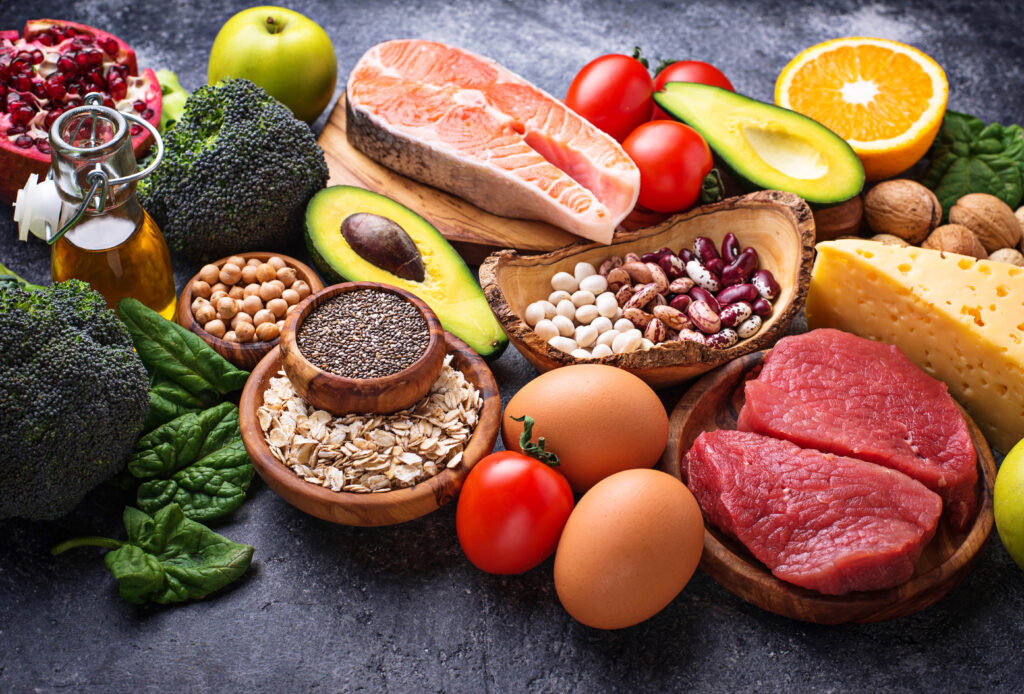
A balanced and adequate diet A balanced and adequate diet is one of the cornerstones of a healthy life. The human body needs various essential nutrients in order to grow and develop healthily. These include healthy fats, proteins, carbohydrates, vitamins and minerals. Adequate and balanced intake of these nutrients strengthens the immune system, boosts energy and provides numerous other benefits. It is also very important for maintaining physical and mental performance. Negative effects of malnutrition A person who is malnourished is more susceptible to infections. Due to a weakened immune system, these individuals are less able to defend themselves against disease. In addition, malnutrition negatively affects bodily functions. Working capacity, concentration and planning skills decrease. Forgetfulness, mental sluggishness and a general slowing down of mental activities can occur. In addition, malnutrition increases the risk of growth disorders in children and the likelihood of chronic diseases in adults. In addition to the physical effects, malnutrition can also affect mental health. Low energy levels can lead to depression and anxiety disorders. This has a negative impact on the quality of life and social relationships of those affected. What can we do to eat a balanced and adequate diet? The following five food groups should be considered to ensure a balanced and adequate diet: Milk and dairy products: Foods such as milk, yogurt and cheese are rich in calcium, protein and vitamin D and support bone health. Meat, eggs and legumes: This group, which includes meat, fish, poultry, eggs, chickpeas and lentils, is rich in protein, iron and B vitamins, which are essential for muscle building and energy production. Vegetables and fruits: This group, rich in vitamins, minerals and fiber, strengthens the immune system and supports digestive health. Cereals: Wholemeal products such as wholemeal bread, oats and bulgur provide energy and ensure a long-lasting feeling of satiety. Water and salt: Water is essential for all metabolic processes in the body. Salt should be consumed in appropriate amounts, as an excess can cause health problems. Individual needs and professional support Nutrition is an individual process. Each person has different needs depending on age, gender, lifestyle, physical activity and state of health. It is therefore helpful to consult a nutritionist to create a nutrition plan tailored to your needs. With this support, you can both adopt a healthier lifestyle and achieve your long-term goals. A balanced and sufficient diet is the key to our health. By adopting this habit, we can provide both ourselves and those around us with a healthier and higher quality life. Keywords: #balanced #food groups #support #water #salt #grains #vegetables #fruit #meat #eggs #Pulses #Milk #Dairy products #Fats #Proteins #Carbohydrates #Vitamins #Minerals #Nutrition #Dernutrition
Health tips for office workers

Health tips for office workers Office workers spend a large part of their day sitting and inactive. This can affect natural posture and lead to musculoskeletal problems, as well as muscle loss and an increase in body fat. But don't worry - with the right measures you can counteract these risks and promote your health! Here are some helpful tips for office workers: 1. Stretching exercises at your desk Support your circulation and relax your muscles with stretching exercises while you work. Some simple exercises are: -Move your feet to promote circulation. -Stretch your arms upwards, cross your hands and bend gently to the right and left without straining. -Consult a physiotherapist for professional support if the pain persists. 2.take short breaks to stand up To stay mobile, take regular short breaks and stand up. Use these breaks for: -A short walk. -Gentle movements such as swaying your body back and forth. This activity promotes blood circulation and supports your digestive system. 3.Energizing snacks If you go for long periods without eating and experience symptoms such as nausea, headaches or difficulty concentrating, incorporate small snacks into your daily routine. Good options are: -Yogurt, -Seasonal fruit, -Raw nuts. These snacks will keep you full and energized. 4.don't skip main meals A balanced diet requires regular main meals. Office workers often do not feel hungry and tend to overeat in the evening, which can put a strain on digestion and disturb the feeling of satiety. Therefore: -Design your diet according to your body's needs. -Do not skip any main meals in order to cover your energy requirements throughout the day. Remember: Everyone has individual nutritional needs and it is important to recognize and meet them. 5.establish a sleep schedule In today's technology-driven world, it can be difficult to establish a regular sleep schedule. However, getting enough sleep is essential for your body to regenerate. Tips for better sleep: -Go to bed and get up at the same time every day. -Aim for 7-8 hours of sleep per night. This will promote both your mental and physical health. 6.Drink enough water A lack of water can cause headaches, concentration problems and confusion about feelings of hunger and fullness. To drink enough water: -Place a glass or water bottle at your desk. -Making water visible will help you remember to drink. -Be sure to reach your daily water intake. These tips will help office workers not only improve their work performance but also protect their long-term health. Small but effective habits can help you feel better both physically and mentally.
Recipes with plant-based protein sources

Recipes with plant-based protein sources Plant-based protein sources Proteins are essential nutrients consisting of amino acids. They play a crucial role in structural and mechanical functions of our body. Proteins are continuously repaired to support the growth of cells and tissues. Our sources of protein in the diet are divided into two groups: animal and plant proteins. In this article, we will focus on plant sources of protein. Plant-based protein sources Buckwheat, peas, Brussels sprouts, asparagus, chia seeds, spinach, quinoa, tempeh, chickpeas, borlotti beans, soy, tofu, pumpkin seeds and lentils are among the foods that contain plant-based protein. Recipes with plant-based protein sources Bulgur with lentils (8-10 portions) Ingredients: 2.5 cups bulgur Half a cup of green lentils 1 tablespoon of paprika pulp 1 onion (diced) 1 tablespoon of butter Half a teacup of oil Salt, pepper, paprika flakes, cumin (to taste) Preparation: Boil the green lentils with plenty of water and strain. Put the butter and oil in a pan and fry the diced onion. Add the paprika pulp and fry until fragrant. Add the bulgur and cooked lentils and mix well. Add water until it is about two fingers' breadth above the ingredients. Add salt and spices. Cook the bulgur over a low heat until the water has been absorbed. Leave to rest briefly and serve. Green salad with chickpeas (6-7 portions) Ingredients: 1.5 cups cooked chickpeas (peeled if desired) 150 g cooked buckwheat 150 g raw spinach (roughly chopped) 1 red bell pepper (cut into small cubes) 3-4 spring onions (finely chopped) Half a bunch of parsley (finely chopped) Half a bunch of dill (finely chopped) For the dressing: Juice of half or a whole lemon 3 tablespoons olive oil Salt, sumac, cumin (to taste) Preparation: Place all the vegetables and the cooked buckwheat in a bowl. Add the chickpeas and mix well. Mix the dressing ingredients in a separate bowl and pour over the salad. Mix thoroughly and serve. Pea dish (7-9 portions) Ingredients: 300 g peas 1 onion (diced) 1 tbsp oil 2 tbsp tomato paste 2 carrots (sliced) 1 potato (cut into small cubes) Salt, oregano, red bell pepper flakes (to taste) Preparation: Pour the oil into a pan and fry the onion until golden brown. Add the tomato purée and continue to fry. Add the carrots, potatoes and peas and mix well. Add water until the ingredients are covered. Add salt and spices. Cook over a low heat until the vegetables are soft. Serve hot. With these recipes, you can incorporate plant-based protein sources into your meals and take a step towards a healthy lifestyle!
The effects of beet on our health
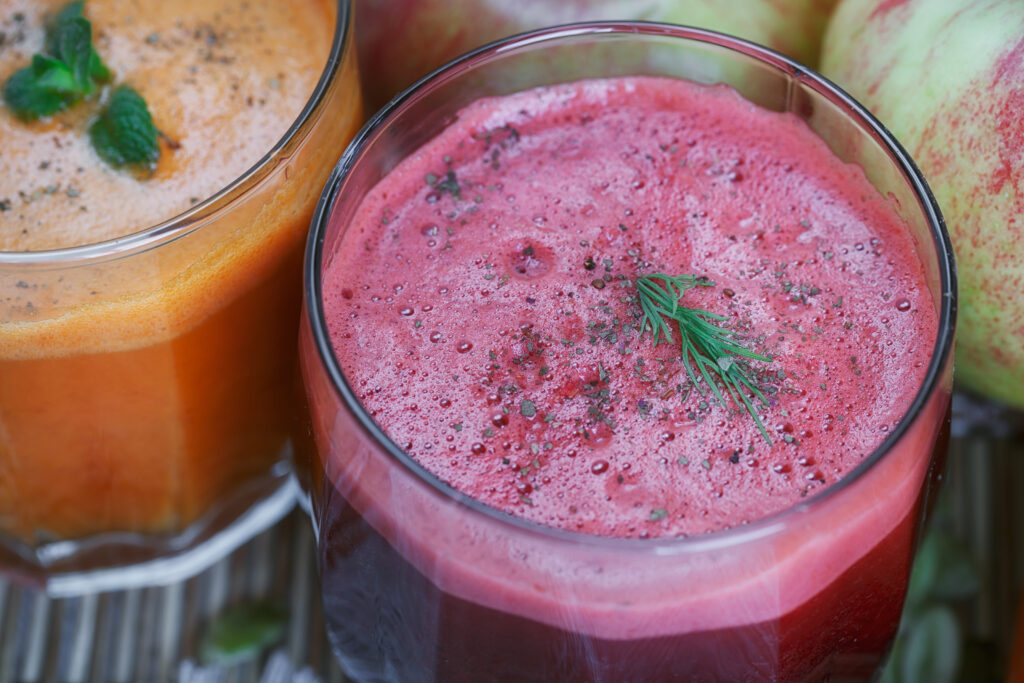
The effects of beet on our health Beetroot (Beta vulgaris) is a root vegetable from the chard and spinach family. The bright color of beet comes from betalains, a powerful antioxidant that has a protective effect against cancer. It also contains high amounts of folic acid and manganese, which promote our health. What are the benefits of beet? 1. effect on blood pressure Beetroot contains nitrate, which dilates blood vessels, increases blood flow and lowers blood pressure. This helps to reduce the risk of stroke and promotes heart health. 2. effect on endurance during sport Beetroot increases blood flow and oxygen supply in the body, which improves physical endurance and performance. 3. effect on dementia The nitrate contained in beet can increase blood flow to the brain in older people and thus slow down cognitive decline. It therefore has a protective effect against dementia. 4. anti-cancer effect Betalains, which are responsible for the bright color of beet, can have a preventive effect against certain cancer cells. 5 Helps with a healthy diet Beetroot is a low-calorie vegetable, but a valuable source of healthy nutrition as it is rich in vitamins and minerals. Practical recipes to incorporate beet into your diet 1.Yogurt and beet salad (Serves 4-5) Ingredients: -3 small beets -½ bunch parsley (chopped) -½ bunch dill (chopped) -6 tablespoons curd -1 teaspoon salt -1 clove garlic (crushed) -1 teacup walnuts and hazelnuts mixture -1 cup cooked chickpeas -4-5 tablespoons olive oil Preparation: 1.Boil and grate the beets. 2. chop the parsley and dill. 3. put the curd in a bowl and add salt, crushed garlic and olive oil. Mix well. 4. add the cooked chickpeas and the grated beet and mix well. 5. sprinkle the walnut and hazelnut mixture on top and serve cold. 2. beet smoothie Ingredients: -1 cup of milk (of your choice) -1 small banana -1 small beet (grated) -1 level teaspoon of chia seeds Preparation: 1.Place all ingredients in a blender. 2 Blend until the smoothie has a smooth consistency. 3. serve with ice cubes if desired. Note: Beetroot should be consumed in moderation, especially by people who are sensitive to nitrates. If necessary, it is advisable to consult a health professional.
The importance of daily water intake

The importance of daily water intake Water is a vital resource for the human body and plays a crucial role in maintaining health. For the body to function properly and for each organ to perform its tasks, it needs water. Adequate water intake supports numerous physical and mental functions. Let's take a closer look at the benefits of water: 1. regulation of bodily functions Water is necessary for cells to absorb nutrients and eliminate waste products. In particular, vital organs such as the liver, kidneys and brain need water to function properly. Water is an essential component for the proper functioning of these organs. 2.skin health Sufficient water intake ensures the skin's moisture balance and increases its elasticity. Too little water can lead to dry skin and increase wrinkles. Drinking water regularly helps skin look more vibrant and radiant. 3.mental performance About 75% of our brain is made up of water. Therefore, water is crucial for mental functions. Insufficient water intake can cause headaches, poor concentration and mental fatigue. Water supports cognitive functions and improves concentration and alertness. 4.contribution to metabolism Many chemical reactions in the body require water. These reactions cannot take place without water. Water helps to increase the metabolic rate, supports energy production and helps the body to eliminate waste products efficiently. 5.joint and muscle health Sufficient water intake is necessary for the proper functioning of the joints. Water ensures that the joints glide, which facilitates movement, and helps the muscles to work properly. It also prevents muscle discomfort and cramps. 6.regulation of body temperature The body needs water to regulate its temperature. Water helps to stabilize body temperature through sweating and prevents overheating. It therefore helps to maintain the body's temperature balance. 7.detoxification Water plays an important role in the elimination of toxins and waste products from the body. It helps the kidneys to excrete these substances via the urine. Drinking water regularly helps to cleanse the body. 8.digestive health Water plays an important role in digestion and the absorption of nutrients. It helps to regulate bowel movements and thus prevents or relieves constipation. Adequate water intake helps to keep the digestive system healthy. We should not forget how valuable water is for our body. To support our health and improve our physical and mental performance, it is important to drink enough water every day. Remember that water not only quenches thirst, but has a positive effect on every aspect of our health.
Healthy cooking methods: How do you prepare healthy food?

Healthy cooking methods: How do you prepare healthy food? A healthy diet is the key to a healthy life. However, it is not only the choice of food that is important, but also the way in which it is prepared. Incorrect cooking methods can cause chemical changes in the food that can have a negative impact on your health. Here are some healthy cooking methods you can use in your kitchen: 1. Boiling (simmering) Boiling is the process of cooking food in water or another liquid with a high water content close to the boiling point. Meat, poultry, fish and vegetables can be prepared in this way. This method makes food softer and easier to digest. However, please note that water-soluble vitamins and minerals can be transferred to the cooking liquid. It is therefore best to use the cooking liquid for soups or other dishes. 2. steaming Steaming is done by cooking the food using steam. This method requires little to no fat. As the food does not come into direct contact with the heat source, nutrients are largely retained. Steaming is an ideal preparation method for fish and vegetables in particular. 3. baking (in the oven) In baking, food is cooked in a closed space using hot air. Meat, poultry, fish and vegetables can be prepared in this way. If the food contains little fat, a small amount of oil can be added to the baking tray. Compared to frying, baking is a healthier alternative and brings out the natural flavor of the food. 4. slow cooking over a low heat With this method, the food is first fried briefly over a high heat until it turns color. A little water is then added and the dish is cooked over a low heat. This technique is particularly suitable for pulses, meat, offal and vegetables. It preserves the flavor and texture of the food. 5. steaming (sautéing) Steaming is a quick and practical cooking method. The food is cut into small pieces and cooked in a non-stick pan with little or no fat. During cooking, the food should be stirred continuously to ensure even heat distribution. This method helps to preserve vitamins and minerals. 6. grilling When grilling, the food is cooked using heat from below or above. Make sure that the food does not come into direct contact with the flames to avoid harmful substances. Turn the food every 3-5 minutes so that it cooks evenly. Grilling is a low-fat method that intensifies the flavor of the food. Choosing the right foods is not enough for a healthy diet - the right preparation also plays a crucial role. By incorporating these healthy cooking methods into your kitchen, you can both boost your health and create tasty dishes. Remember: with every healthy meal you prepare, you are taking a step towards a healthier lifestyle!