

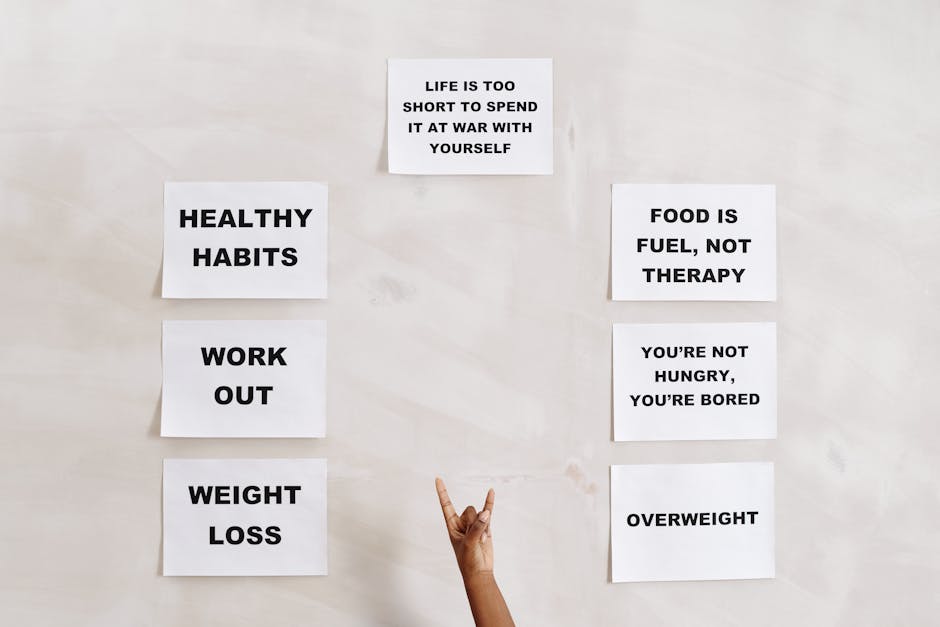
In today's fast-paced world, especially in vibrant cities such as Munich, Hamburg or Frankfurt am Main, more and more people are looking for ways to optimize their health and achieve an ideal body weight without having to sacrifice pleasure. A low-carb diet, often known as "low-carb", has established itself as an extremely effective and tasty method. This comprehensive guide dives deep into the world of low-carb recipes and shows you how to not only lose weight with delicious meals, but also maintain a sustainably healthy lifestyle in Germany's highly affluent cities.
The fascination of low carb: more than just a trend
The low-carb diet has developed from a niche topic to an integral part of modern nutritional philosophy. Especially in cities such as Stuttgart, Düsseldorf and Berlin, where there is a strong awareness of healthy eating and fitness, this form of nutrition is very popular. At its core, low-carb is about reducing the intake of carbohydrates - especially from sugar, cereal products and starchy vegetables - and instead focusing on high-quality proteins, healthy fats and fiber-rich, non-starchy vegetables. This approach is not only aimed at weight loss, but also promotes a more stable energy supply, improved concentration and a general sense of well-being, which is invaluable for the demanding everyday life in metropolitan areas such as Cologne, Heidelberg or Mannheim.
The appeal of low-carb lies in its simplicity and effectiveness. It's not about starving yourself, but about making conscious choices that provide your body with optimal nutrition. Rather than relying on calorie counting, low carb promotes a natural feeling of satiety, as meals high in protein and fat last longer. This makes it a viable and sustainable solution for those who live and work in busy environments such as Karlsruhe, Freiburg im Breisgau or Wiesbaden and are looking for an uncomplicated way to achieve their nutritional goals.
Scientific basis and benefits of a low-carb diet
How low carb works in the body
The key to the success of the low-carb diet lies in its effect on blood sugar levels and insulin production. When we eat carbohydrate-rich foods, especially simple carbohydrates, our blood sugar levels rise quickly. This leads to an increased release of the hormone insulin, whose main task is to transport sugar from the blood into the cells. However, chronically high insulin levels can promote fat storage and inhibit fat loss. By reducing carbohydrates, blood sugar and insulin levels remain more stable. The body then draws increasingly on fat reserves for energy - a state known as ketosis when carbohydrate intake is very low. This metabolic switching process is the main reason why many people lose weight effectively with low carb.
In addition, switching to a diet higher in protein and fat leads to an increased feeling of satiety. Proteins and fats take longer to digest and signal the brain more effectively that the body is full. This reduces cravings and the tendency to overeat, which is particularly helpful in stressful environments such as Augsburg, Nuremberg or Ulm, where quick, unhealthy snacks are often to hand.
Health benefits beyond weight loss
- Blood sugar stabilization: For people with prediabetes or type 2 diabetes, low-carb can significantly improve blood sugar levels and even lead to remission. For healthy people, it also helps to prevent insulin resistance, a common problem in modern societies.
- Increased energy and concentration: By avoiding blood sugar fluctuations, many users experience a more stable energy supply throughout the day and improved mental clarity. This is a huge benefit for professionals in financial centers such as Frankfurt am Main or scientific locations such as Heidelberg and Erlangen.
- Improved cardiovascular health: Studies show that a low-carb diet can contribute to an improvement in cholesterol levels (increase in "good" HDL cholesterol, reduction in triglycerides) and blood pressure, which reduces the risk of cardiovascular disease.
- Anti-inflammatory effects: Many foods high in sugar and carbohydrates promote inflammation in the body. A low-carb diet rich in fresh vegetables, healthy fats and lean proteins can have an anti-inflammatory effect and thus prevent chronic diseases.
Practical implementation: Delicious low-carb recipes for every day
The thought of giving up carbohydrates may seem intimidating at first, but the variety of delicious low carb recipes is almost endless. It's all about developing new habits and discovering creative alternatives that please the palate while supporting your health goals. In cities like Regensburg, Ingolstadt or Münster, where a high quality of life is valued, it is easy to find high-quality ingredients for these recipes.
Breakfast ideas without carbohydrates
The start of the day sets the tone for the rest of the day. A high-protein, low-carb breakfast keeps you full for longer and prevents hunger pangs in the morning, which is particularly beneficial for commuters in Ludwigsburg or Heilbronn.
- Scrambled eggs with vegetables: A classic that always works. Eggs with spinach, mushrooms, peppers or tomatoes and a little cheese are quick to prepare and rich in nutrients.
- Low-carb pancakes: Almond flour or coconut flour, eggs and a little quark make delicious pancakes that can be served with berries and sugar-free syrup.
- Chia seed pudding: Prepared overnight, this pudding made from chia seeds, coconut milk or almond milk, refined with nuts and berries, is a quick and healthy option.
- Greek yogurt with nuts and berries: A quick and easy option for mornings in a hurry, as is typical in the business districts of Düsseldorf or Frankfurt.
Lunch and dinner: Variety on the plate
This is where the true strength of low-carb cuisine becomes apparent: it is incredibly versatile and tasty. The options range from simple salads to sophisticated main courses that will delight even the most discerning palates in Constance or Bonn.
- Zoodle dishes: Zucchini noodles (zoodles) are an excellent alternative to pasta. Combined with a Bolognese sauce, pesto or a creamy mushroom sauce, they are light and delicious.
- Large salads with proteins: A rich salad with lots of green leafy vegetables, avocado, olives, nuts and a protein source such as chicken breast, salmon, prawns or tofu is a complete lunch.
- Meat/fish with non-starchy vegetables: Roasted salmon fillet with broccoli and asparagus, steak with green beans or chicken drumsticks with Brussels sprouts are simple but satisfying options.
- Low-carb casseroles: Cauliflower casserole with minced meat and cheese, broccoli and chicken casserole or eggplant lasagna are hearty and filling dishes that are also easy to prepare.
- Pumpkin or cauliflower puree: A delicious alternative to mashed potatoes, refined with herbs and a little butter or olive oil.
Snacks and desserts: snacking without remorse
There are also numerous low-carb options between meals and at the end of an enjoyable meal that satisfy cravings without sabotaging the diet.
- Nuts and seeds: Almonds, walnuts, brazil nuts, pumpkin seeds or sunflower seeds are ideal energy-boosting snacks.
- Avocados: On their own or as guacamole, they are rich in healthy fats and filling.
- Berries with quark/yoghurt: A small portion of berries (blueberries, raspberries) with low-fat quark or Greek yogurt makes a refreshing snack or a light dessert.
- Dark chocolate: A small amount of dark chocolate (at least 85 % cocoa content) can satisfy the sweet tooth.
- Vegetable sticks with dip: Cucumber, carrot or bell pepper sticks with a herb quark dip are a fresh and crunchy option.
Low-carb in everyday metropolitan life: tips and tricks
Integrating a low-carb diet into a busy lifestyle, as is common in Germany's metropolitan areas, requires planning and adaptability. But with a few clever strategies, it's child's play.
Shopping and eating out
In cities such as Munich, Hamburg or Stuttgart, you will find an abundance of high-quality grocery stores, organic markets and weekly markets that offer fresh, regional products. When shopping, concentrate on the outer aisles of the supermarket, where you will find fresh vegetables, fruit, meat, fish and dairy products. Avoid the inner aisles with processed foods.
Even eating out is no obstacle. Many restaurants in Frankfurt am Main, Düsseldorf or Berlin now offer dishes that can be easily adapted. Simply ask to replace side dishes such as chips or rice with extra vegetables or a side salad. Salads without croutons, steaks with vegetables or fish dishes are often low-carb friendly by nature. In cities like Heidelberg or Freiburg im Breisgau, which are known for their excellent gastronomy, creative solutions can always be found.
Meal prep for a stress-free week
Meal prep, cooking meals in advance for several days, is the key to success for busy people. Plan your meals at the weekend for the coming week, shop accordingly and prepare components or whole dishes. Boiled eggs, roasted chicken, sliced vegetables or homemade dips can be quickly combined into delicious low carb meals. This saves time, money and reduces the temptation to reach for unhealthy alternatives when hunger strikes in one of the offices in Karlsruhe or Wiesbaden.
For customized support and the best nutrition plans that are perfectly tailored to your individual lifestyle, we offer Vitalhane excellent solutions. Whether you live in Hamburg, Munich, Cologne or the surrounding regions such as Ludwigsburg or Heilbronn, Vitalhane will help you achieve your health goals and integrate a low-carb diet into your everyday life.
Frequently asked questions (FAQ) about low-carb
Is low-carb suitable for everyone?
Although low-carb is very beneficial for many people, it is not equally suitable for everyone. Pregnant women, breastfeeding women, people with certain metabolic diseases (e.g. porphyria) or those taking certain medications should always consult a doctor or qualified nutritionist before changing their diet. An individual consultation, as offered by Vitalhane, is always the best way to ensure that the dietary change is safe and effective, especially if you live in cities such as Stuttgart or Berlin where access to experts is easy.
Do I have to give up carbohydrates completely?
No, low-carb does not necessarily mean cutting out carbohydrates completely. There is a spectrum of low-carb approaches, from moderately low-carb (approx. 50-100g carbohydrates per day) to very strict (ketogenic, under 20-50g carbohydrates per day). The ideal proportion of carbohydrates depends on your individual goals, your activity level and your metabolic state. Even with a moderate approach, you can already achieve significant health benefits and weight loss. The key is to avoid the "bad" carbohydrates (sugar, white flour) and enjoy the "good" carbohydrates (from vegetables, berries) in moderation.
Which foods are allowed and which are not?
Allowed (in focus):
- Proteins: Meat (beef, pork, poultry), fish (salmon, mackerel, trout), eggs, cheese, quark, yogurt (unsweetened), tofu.
- Healthy fats: Avocado, olive oil, coconut oil, nuts, seeds, butter, ghee.
- Non-starchy vegetables: Green leafy vegetables (spinach, kale, lettuce), broccoli, cauliflower, zucchinis, peppers, asparagus, mushrooms, cucumbers, tomatoes.
- Berries: Strawberries, raspberries, blueberries (in moderation).
To be avoided (or greatly reduced):
- Sugar: Sweets, soft drinks, fruit juices, pastries.
- Cereal products: Bread, pasta, rice, muesli, oatmeal (there are low-carb alternatives).
- Starchy vegetables: Potatoes, corn, sweet potatoes.
- Legumes: Beans, lentils, chickpeas (in larger quantities).
- Processed food: Ready meals, sausage products with added sugar.
How do I avoid the "low-carb flu"?
The so-called "low-carb flu" or "keto flu" can occur in the first few days of the changeover and manifests itself through symptoms such as headaches, tiredness, irritability and muscle pain. These symptoms are often caused by the loss of electrolytes (especially sodium, potassium and magnesium), as the body stores less water when carbohydrate intake is low. It is important to avoid this:
- Drink plenty of water: Keep yourself hydrated.
- Increase salt intake: Season your food more generously with salt or drink a cup of vegetable broth.
- Supplement electrolytes: Look for potassium-rich foods (avocado, spinach) and magnesium-rich foods (nuts, seeds) or consider taking an electrolyte supplement.
- Consume healthy fats: They help the body to adapt to the new energy source.
With these tips, the transition phase, which often only lasts a few days, should go more smoothly so that you can quickly enjoy the benefits of the low-carb diet, regardless of whether you live in the busy streets of Munich or the quieter surroundings of Constance.
Sustainability and long-term success
Low-carb is more than a short-term diet; it is a change to a more conscious and healthier lifestyle. The real success lies in the sustainability of the dietary change. By learning to integrate enjoyable low-carb recipes into your everyday life and understanding the principles of a low-carb diet, you create the basis for long-term health, vitality and a stable sense of well-being. This is particularly relevant for the demanding lifestyles in the affluent regions of Germany, where health is considered a valuable commodity.
Start your journey to a healthier you today. Discover the wealth of delicious low-carb recipes and experience how you can lose weight and feel more vital without sacrificing anything. For personalized guidance and customized diet plans tailored to your individual needs and goals, contact Vitalhane Your ideal partner. We can help you achieve your health goals in any city - from Hamburg to Munich, from Frankfurt to Stuttgart - and lead a sustainably healthy lifestyle.
This content does not constitute advice or a recommendation. Vitalhane assumes no responsibility or liability.
